Now welcoming families at our San Carlos campus!
Two is an exciting age, and Precious Moments Preschool offers Childcare for Threes in San Jose and surrounding areas in a warm, engaging setting created for the remarkable growth that happens around age three. Children are becoming more conversational, imaginative, independent, and interested in friendships, and our program gives them a safe place to practice those emerging skills every day. Children are becoming more verbal, more mobile, more social, and increasingly eager to do things for themselves. Our teachers combine loving care with purposeful learning so children can explore confidently while still receiving the reassurance and consistency they need.
Our San Jose classroom follows a comfortable daily rhythm with active play, quiet discovery, meals, rest, outdoor time, stories, music, art, sensory exploration, and small-group experiences. Predictable routines help children know what comes next, while flexible teaching allows us to respond to individual moods, interests, developmental needs, and emerging skills. This balance helps children feel safe enough to try new things.
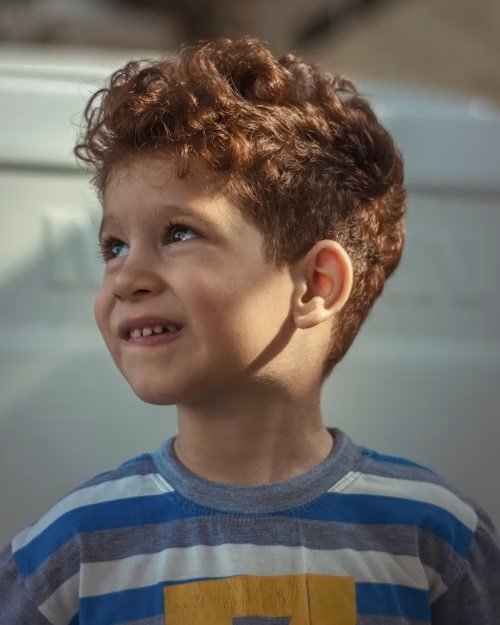
Language develops rapidly around age three, so teachers talk with children throughout the day, name objects and feelings, read picture books, sing songs, ask simple questions, and encourage children to express needs with words and gestures. We celebrate each new word, phrase, and conversation while helping children become confident communicators.
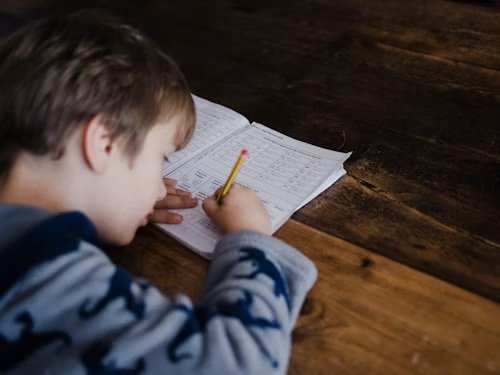
Independence is also an important focus. Children practice washing hands, helping with cleanup, making simple choices, feeding themselves, putting belongings away, and participating in toileting routines when developmentally appropriate. These everyday experiences build confidence and prepare children for the growing responsibilities of preschool.
Songs, stories, naming games, gestures, and everyday conversation help three-year-olds build vocabulary and confidence expressing needs and ideas.
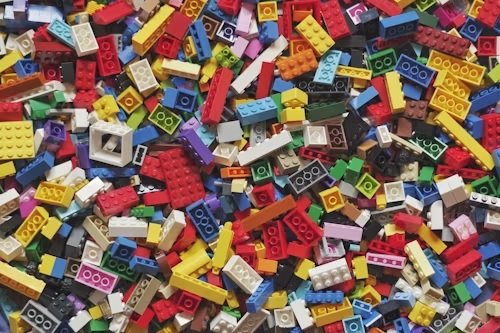
Sorting, matching, stacking, filling, dumping, and simple puzzles help three-year-olds notice patterns, relationships, size, shape, and cause and effect.
Water play, textures, sand, dough, natural materials, and safe sensory experiences invite three-year-olds to investigate with all their senses.
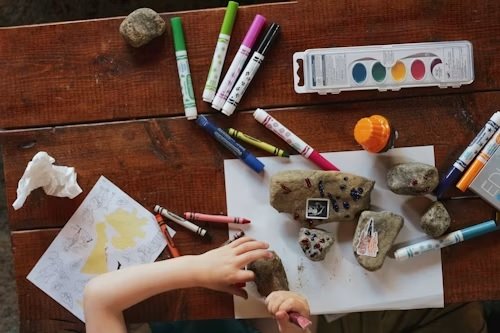
Music, movement, scribbling, painting, and pretend play give three-year-olds joyful ways to express ideas, feelings, rhythm, and imagination.
Teachers help three-year-olds name feelings, practice gentle interactions, take turns with support, and begin building positive relationships with peers.
Climbing, walking, pushing, carrying, dancing, grasping, stacking, and outdoor play strengthen balance, coordination, hand control, and body awareness.
For three-year-olds, play is serious learning. Children investigate how things work by stacking, sorting, filling, dumping, matching, pretending, painting, moving, and repeating favorite activities. Our San Jose childcare classroom provides inviting materials that encourage children to experiment safely, practice emerging abilities, and discover what they can do.
Teachers stay close and extend learning naturally. Blocks introduce size, balance, and early math ideas. Puzzles strengthen visual thinking and hand control. Pretend play encourages language and imagination. Art materials invite sensory exploration and creativity. Music and movement help children develop rhythm, coordination, listening, and body awareness.
Play also gives children important opportunities to learn how to be part of a group. At age two, sharing, waiting, and managing strong feelings are still developing skills. Teachers model gentle interactions, help children name emotions, offer simple choices, and guide them through conflicts with patience. Over time, children learn that they can communicate, reconnect, and try again.
San Jose families often look for care that supports both dependable daily routines and meaningful early learning. Our approach brings those priorities together. Children receive attentive care throughout the day while teachers intentionally create opportunities for communication, movement, problem-solving, creativity, and friendship. The goal is to help each child become a confident learner—comfortable asking questions, trying new ideas, communicating with others, and practicing the skills that prepare them for preschool and Pre-K. For San Jose families, that means dependable care and purposeful early learning come together in one nurturing environment where children can feel known, supported, and excited to participate.
Purposeful play matters at this age. Three-year-olds learn by building, pretending, talking, moving, creating, and repeating experiences in new ways. These everyday moments help children connect ideas, strengthen memory, and gain mastery. Teachers respect that need while adding small challenges that encourage children to stretch their abilities at a comfortable pace.

Three-Year-Olds begin participating in cleanup, handwashing, transitions, and other predictable daily routines.
Teachers encourage gestures, emerging words, simple phrases, and confident communication.
Rhymes, picture books, songs, and sound play build early listening and language foundations.
Matching, sorting, stacking, and comparing help three-year-olds notice similarities, differences, and order.
Blocks, crayons, puzzles, utensils, and manipulatives strengthen grasp, hand control, and coordination.
Teachers help three-year-olds recognize feelings, practice gentle touch, and begin positive peer interactions.
Simple choices and achievable challenges help three-year-olds feel capable and increasingly independent.
A calm arrival with familiar toys, teacher connection, and time to settle in.
Songs, fingerplays, dancing, and simple group routines build language and rhythm.
Blocks, books, sensory materials, puzzles, pretend play, and hands-on exploration.
Climbing, walking, pushing, running, and nature discovery support active bodies.
Meals, handwashing, and self-help practice are handled with care and patience.
Short stories, art, sensory play, and teacher-guided activities encourage curiosity.
Rest, quiet play, and a warm end-of-day transition help three-year-olds finish the day comfortably.
Activities and schedules may vary by classroom and day.
Teachers know each child and create warm, supportive relationships.
Thoughtful routines and comfortable learning spaces help children feel secure.
Experiences are designed around movement, imagination, curiosity, and hands-on discovery.
Language, movement, social-emotional growth, independence, and creativity develop together.
Families receive clear updates about routines, milestones, classroom experiences, and progress.
Three-Year-Old days focus on secure relationships, language development, movement, sensory play, social-emotional growth, self-help skills, predictable routines, and age-appropriate independence.
A typical day may include arrival and free choice, music and movement, learning centers, outdoor play, meals and care routines, stories, art or sensory experiences, rest, and a gentle transition home.
Meal and snack offerings may vary. Families can ask the campus about menus, allergies, dietary needs, and how teachers support three-year-olds as they develop mealtime independence.
Teachers use warm, predictable routines, family communication, comfort strategies, and consistent classroom relationships to help three-year-olds feel secure during arrival, transitions, and changes in the day.