Now welcoming families at our San Carlos campus!
Precious Moments Preschool offers Pre-K in Sunnyvale and surrounding areas for families looking for a caring, purposeful bridge between preschool and kindergarten. Our program helps children take meaningful steps toward school readiness while protecting what makes early childhood special: curiosity, movement, imagination, friendship, and joyful discovery.
Each day combines teacher-guided learning with hands-on exploration. Children practice early literacy, number concepts, problem-solving, listening, speaking, fine-motor control, collaboration, and self-help skills through experiences that feel active and meaningful. Stories, games, art, building, science investigations, music, dramatic play, and small-group lessons introduce new ideas in ways young children can understand and enjoy.
Kindergarten readiness is about more than recognizing letters or counting. Children also need confidence, flexibility, independence, and the ability to participate successfully in a group. Our Sunnyvale Pre-K teachers help children follow multi-step directions, communicate their needs, care for belongings, take turns, manage transitions, work through disagreements, and approach unfamiliar challenges with a positive mindset.
Families are part of the learning process too. We value clear communication and work with parents to understand each child’s personality, interests, strengths, and goals. By building a consistent partnership between home and school, we help children feel secure and supported as they prepare for the next stage of learning.

Stories, conversation, rhyming, letter recognition, sounds, vocabulary, and early writing build strong communication foundations.
Children explore counting, quantities, patterns, shapes, measurement, sorting, comparison, and simple problem-solving.
Hands-on investigations invite children to predict, test ideas, build, observe, ask questions, and discover how things work.
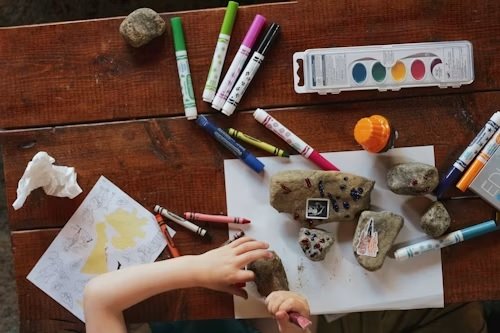
Painting, music, movement, dramatic play, and open-ended projects encourage imagination, expression, and confidence.
Children practice empathy, cooperation, friendship skills, emotional vocabulary, patience, and constructive problem-solving.
Outdoor play and classroom activities strengthen coordination, balance, pencil control, hand strength, and healthy habits.
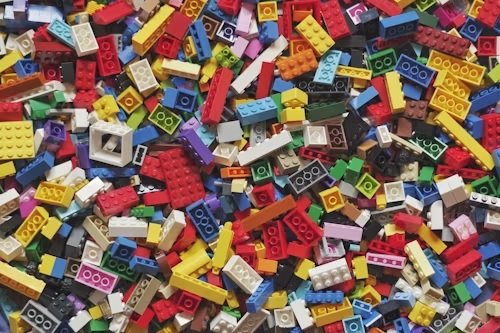
Pre-K children are capable thinkers, and purposeful play gives them a natural way to test ideas and make sense of the world. A block tower can become an engineering challenge. A pretend market can strengthen vocabulary, counting, cooperation, and early writing. A classroom science table can lead to questions about plants, magnets, water, insects, weather, textures, or patterns.
Teachers thoughtfully prepare the environment and extend children’s thinking with questions, new materials, useful vocabulary, and age-appropriate challenges. Small-group experiences provide focused opportunities for literacy, math, science, and fine-motor development, while learning centers allow children to make choices and practice skills more independently.
Outdoor play is also an important part of the Pre-K day. Running, climbing, balancing, digging, observing nature, and playing group games strengthen coordination and physical confidence while giving children opportunities to cooperate, negotiate, and solve problems together.
This balance helps children become active, resilient learners. They discover that effort matters, mistakes can lead to better ideas, questions are worth asking, and difficult tasks can be solved one step at a time. These habits support a smoother transition into kindergarten and help children develop a positive relationship with learning that can last well beyond the Pre-K year.
Children practice transitions, classroom expectations, and multi-step directions.
Conversation and storytelling help children communicate thoughts clearly.
Playful literacy experiences strengthen print awareness and phonological skills.
Children work with quantities, sequences, comparisons, shapes, and patterns.
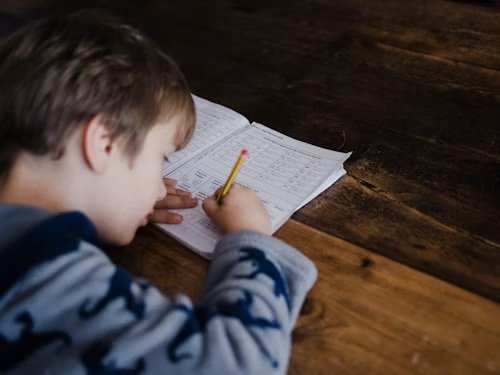
Drawing, cutting, building, and writing strengthen hand control and coordination.
Children learn to share ideas, cooperate, negotiate, and care about others.
Children gain confidence making choices and working through challenges.
Warm arrivals and independent classroom exploration.
Greeting, songs, plans for the day, and community-building.
Small groups and centers for literacy, math, science, and discovery.
Fresh air, movement, gross-motor development, and nature exploration.
Healthy routines, independence, and relaxed social conversation.
Books, art, music, dramatic play, and collaborative projects.
Children revisit the day and prepare for a positive transition home.
Activities and schedules may vary by classroom and day.
Teachers know each child and create warm, supportive relationships.
Thoughtful routines and comfortable learning spaces help children feel secure.
Purposeful activities make learning active, engaging, and memorable.
Academic, social, emotional, physical, and creative growth all matter.
We keep parents connected to classroom experiences and development.
Children strengthen early literacy and math skills while practicing independence, classroom routines, communication, cooperation, fine-motor skills, and problem-solving.
Days generally include arrival activities, group meetings, learning centers, small-group instruction, outdoor play, meals, stories, creative projects, movement, and reflection.
Meal and snack offerings may vary. Families can ask the campus about current menus, vegetarian options, allergies, and dietary accommodations.
Vegetarian choices may be available. Please discuss your child’s dietary preferences or needs directly with the school.