Now welcoming families at our San Carlos campus!
Precious Moments Preschool offers a nurturing Toddlers Program in Sunnyvale and surrounding areas for young children entering one of the most active, curious, and important stages of early development. Toddlers are learning to move with more confidence, communicate wants and feelings, build relationships, test ideas, and do more for themselves every day. Our program is designed to support that growth with warm relationships, predictable routines, engaging play, and patient guidance.
Teachers focus first on helping children feel secure. When toddlers know they are safe, understood, and cared for, they are more willing to explore the classroom, interact with peers, try new words, and practice emerging skills. Daily routines such as arrival, meals, handwashing, diapering or toileting, cleanup, rest, and transitions are handled with consistency so children know what to expect and can begin participating more independently.
Learning is naturally woven into the toddler day. Songs, picture books, naming games, and conversation strengthen language. Blocks, puzzles, sensory bins, simple art, dramatic play, music, and movement encourage problem-solving and creativity. Outdoor time gives children space to climb, push, carry, run, balance, and observe the world around them.
Families are essential partners in our Sunnyvale toddler classrooms. We take time to understand each child’s routines, comfort needs, emerging vocabulary, eating habits, interests, and developmental milestones. Clear communication between home and school helps children experience the consistency they need to feel confident and supported.

Songs, stories, naming games, gestures, and everyday conversation help toddlers build vocabulary and confidence expressing needs and ideas.
Sorting, matching, stacking, filling, dumping, and simple puzzles help toddlers notice patterns, relationships, size, shape, and cause and effect.
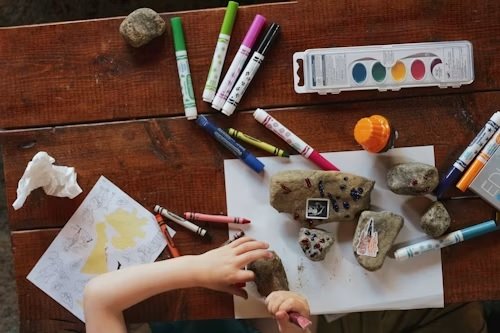
Water play, textures, sand, dough, natural materials, and safe sensory experiences invite toddlers to investigate with all their senses.
Music, movement, scribbling, painting, and pretend play give toddlers joyful ways to express ideas, feelings, rhythm, and imagination.
Teachers help toddlers name feelings, practice gentle interactions, take turns with support, and begin building positive relationships with peers.
Climbing, walking, pushing, carrying, dancing, grasping, stacking, and outdoor play strengthen balance, coordination, hand control, and body awareness.
Toddlers learn through movement, repetition, imitation, and hands-on discovery. They want to touch, carry, stack, open, close, fill, dump, push, pull, and try things again and again. Our Sunnyvale toddler classrooms are arranged to make this natural exploration safe, productive, and fun.
Teachers prepare inviting learning areas with age-appropriate materials and then join children’s play with language, encouragement, and gentle challenges. A basket of blocks can become a lesson in balance and size. A pretend kitchen can support vocabulary and social interaction. Water, sand, dough, paint, and textured materials help children explore cause and effect while strengthening hand control.
Play also creates opportunities for social-emotional growth. Toddlers are still learning how to wait, share space, handle frustration, and communicate with peers. Teachers stay close to help children name feelings, use simple words, practice gentle interactions, and recover from difficult moments with support.
Repetition is respected because it is an important part of toddler learning. Familiar activities help children gain mastery, while small changes keep experiences fresh and challenging. This balance allows toddlers to build confidence at their own pace while developing curiosity, persistence, and independence.
Toddlers begin participating in cleanup, handwashing, transitions, and other predictable daily routines.
Teachers encourage gestures, emerging words, simple phrases, and confident communication.
Rhymes, picture books, songs, and sound play build early listening and language foundations.
Matching, sorting, stacking, and comparing help toddlers notice similarities, differences, and order.
Blocks, crayons, puzzles, utensils, and manipulatives strengthen grasp, hand control, and coordination.
Teachers help toddlers recognize feelings, practice gentle touch, and begin positive peer interactions.
Simple choices and achievable challenges help toddlers feel capable and increasingly independent.
A calm arrival with familiar toys, teacher connection, and time to settle in.
Songs, fingerplays, dancing, and simple group routines build language and rhythm.
Blocks, books, sensory materials, puzzles, pretend play, and hands-on exploration.
Climbing, walking, pushing, running, and nature discovery support active bodies.
Meals, diapering or toileting, handwashing, and self-help practice are handled with care.
Short stories, art, sensory play, and teacher-guided activities encourage curiosity.
Rest, quiet play, and a warm end-of-day transition help toddlers finish the day comfortably.
Activities and schedules may vary by classroom and day.
Teachers know each child and create warm, supportive relationships.
Thoughtful routines and comfortable learning spaces help children feel secure.
Experiences are designed around movement, repetition, curiosity, and hands-on discovery.
Language, movement, social-emotional growth, independence, and creativity develop together.
Families receive clear updates about routines, milestones, classroom experiences, and progress.
A local Toddlers option for families in San Carlos and surrounding communities.
Toddler days focus on secure relationships, language development, movement, sensory play, social-emotional growth, self-help skills, predictable routines, and age-appropriate independence.
A typical day may include arrival and free choice, music and movement, learning centers, outdoor play, meals and care routines, stories, art or sensory experiences, rest, and a gentle transition home.
Meal and snack offerings may vary. Families can ask the campus about menus, allergies, dietary needs, and how teachers support toddlers as they develop mealtime independence.
Teachers use warm, predictable routines, family communication, comfort strategies, and consistent classroom relationships to help toddlers feel secure during arrival, transitions, and changes in the day.