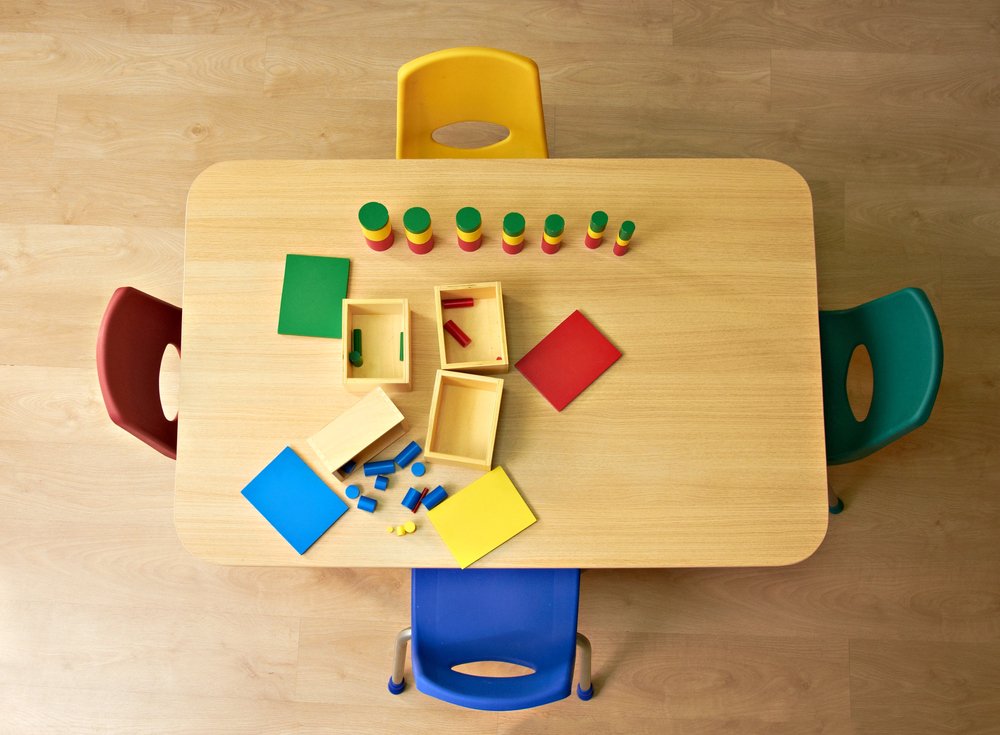
Early childhood is one of the most critical stages in a child’s life. During these formative years, children rapidly develop their language skills, social abilities, emotional intelligence, and cognitive foundation. One of the most effective ways to nurture this growth is through preschool education.
Preschool provides a structured yet nurturing environment where children can explore, learn, and build essential life skills that set the stage for future academic and personal success. In this article, we’ll explore the key benefits of preschool education for early childhood development, and why enrolling your child early can make a lasting impact.
🧠 1. Builds a Strong Cognitive Foundation
One of the biggest advantages of preschool education is the way it stimulates a child’s brain during their most absorbent stage. Activities like storytelling, puzzles, counting games, and hands-on experiments introduce early math, science, and literacy concepts in a playful, age-appropriate manner.
By encouraging curiosity and problem-solving, preschool lays the groundwork for future learning. Children learn how to focus on tasks, follow instructions, and begin to understand cause-and-effect relationships — all skills that will support them in elementary school and beyond.
🗣 2. Encourages Language and Communication Development
Preschool is a language-rich environment. Children are exposed to songs, conversations, reading circles, and storytelling, which help expand their vocabulary and improve sentence structure.
Regular interaction with teachers and peers encourages children to express themselves more clearly, ask questions, and share ideas. This daily communication builds strong language skills, which are essential for reading comprehension and future academic success.
🤝 3. Supports Social Skills and Emotional Growth
Learning how to interact with others is just as important as academic skills. Preschool gives children their first real opportunity to develop social skills such as sharing, taking turns, cooperating, and resolving conflicts.
Through group play, circle time, and collaborative projects, children learn how to manage their emotions and navigate friendships. They build empathy, patience, and resilience — all of which are crucial for healthy emotional development.
A quality preschool program also helps children gain confidence and independence as they begin to do things on their own in a supportive environment.
📅 4. Promotes Routines and Structure
Young children thrive on structure and predictable routines. Preschool introduces children to daily schedules, including designated times for learning, play, meals, and rest. This structured environment helps children feel secure, understand expectations, and build time-management habits at an early age.
Routines also make the eventual transition to kindergarten much smoother. Children who attend preschool are often more adaptable to classroom rules and less anxious during the first days of formal schooling.
✋ 5. Fosters Independence and Self-Confidence
Preschool encourages children to take small but meaningful steps toward independence. Tasks like washing hands, cleaning up toys, serving snacks, or choosing activities may seem simple, but they help children develop responsibility and self-confidence.
Teachers support children as they make decisions, solve problems, and try new things on their own. This fosters a sense of accomplishment and builds the confidence they need to take on new challenges as they grow.
🎨 6. Inspires Creativity and Imagination
Creativity is a powerful tool for learning. Preschool classrooms often include art stations, dramatic play areas, music time, and hands-on craft projects that inspire children to express themselves freely.
This kind of creative play isn’t just fun — it strengthens problem-solving skills, boosts language development, and encourages original thinking. Children who are encouraged to explore their imagination often develop stronger critical thinking abilities later in life.
📚 7. Prepares Children for Academic Success
Multiple studies have shown that children who attend preschool perform better academically in elementary school than those who do not. By introducing early literacy and numeracy skills in a playful way, preschool gives children a head start that pays off for years to come.
They enter kindergarten with stronger vocabulary, better attention spans, and a deeper love for learning — all key factors that contribute to future academic achievement.
👨👩👧 8. Engages Families in the Learning Process
Another major benefit of quality preschool education is family involvement. Many programs encourage parents to participate in classroom activities, events, and regular progress updates.
This partnership between teachers and families reinforces learning at home and helps create a consistent, supportive environment for children to thrive in.